
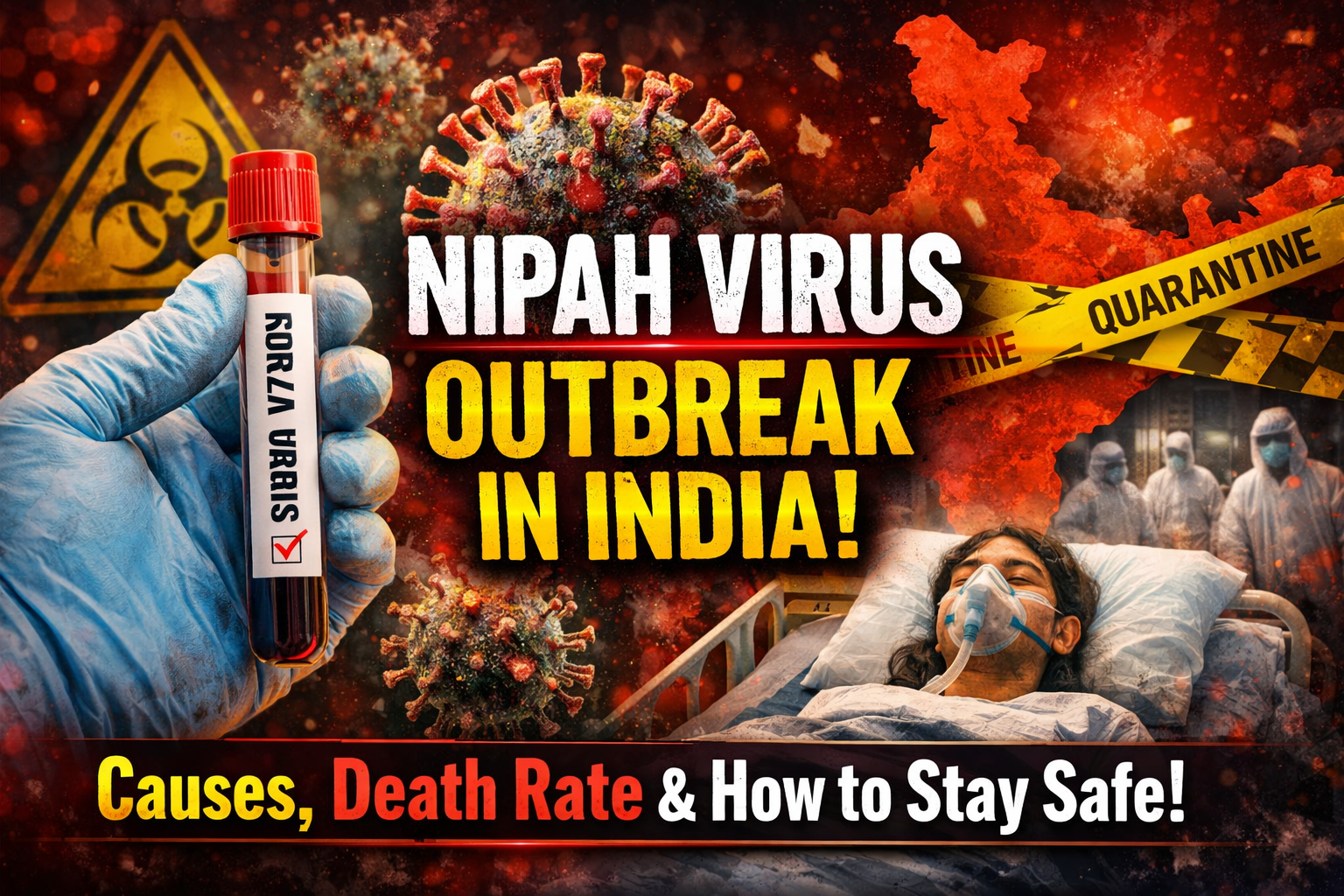
Introduction to the Nipah Virus Outbreak in India
The Nipah Virus outbreak in India poses a major threat to public health because of its extremely high fatality rate and ability to spread quickly in close-contact settings. Although Nipah Virus cases are rare, even a single confirmed infection leads to heightened surveillance and emergency measures across the country. Past incidents of this Virus in India, particularly in southern regions, have highlighted the importance of public awareness, early detection, and strong preparedness to prevent wider outbreaks.
What Is Nipah Virus?
Nipah Virus (NiV) is a dangerous zoonotic virus that can pass from animals to humans and also spread between people. It belongs to the Henipavirus family and mainly attacks the brain and lungs. First identified in 1999, the virus has caused several outbreaks in parts of South and Southeast Asia. Due to high population density and frequent interaction between humans and animals, it is considered a serious and persistent health risk.
Causes of Nipah Virus Outbreak in India
The primary cause of Nipah Virus in India is contact with infected animals or consumption of food contaminated by them.
Fruit bats act as the natural hosts of the virus and can transmit it through their saliva and urine.
Humans may become infected after eating contaminated fruits or handling infected animals.

In some cases, the virus has spread from person to person, especially among family members and healthcare workers, making outbreak control more challenging.
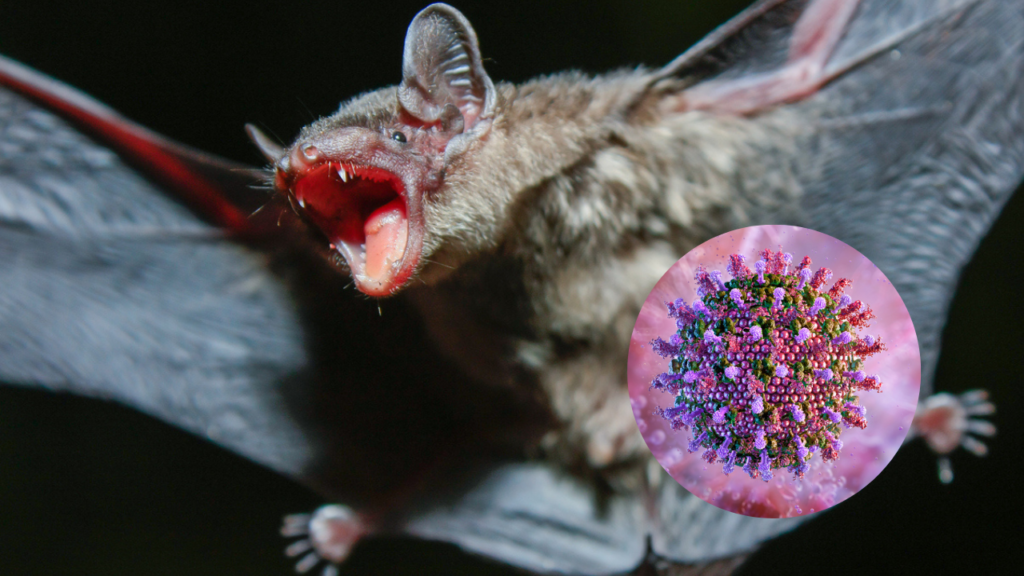
How Nipah Virus Spreads
Transmission of Virus occurs through several routes, including:

- Eating fruits or drinking juices contaminated by infected bats
- Direct contact with infected animals
- Close interaction with infected individuals through bodily fluids
In India, Nipah Virus outbreaks are usually contained to specific areas, but the intensity of transmission requires immediate isolation and strict monitoring to stop further spread.
Symptoms of Nipah Virus Infection
Symptoms of Nipah Virus infection typically develop within 5 to 14 days after exposure. Initial signs include fever, headache, nausea, vomiting, and sore throat. As the illness worsens, patients may experience confusion, seizures, breathing difficulties, and loss of consciousness. In severe cases, it has led to brain swelling (encephalitis), which can result in coma or death.
Nipah Virus Death Rate and Severity
The fatality rate of Nipah Virus is extremely high, estimated between 40% and 75%, placing it among the deadliest viral diseases. In India, deaths have often occurred due to delayed diagnosis and the absence of specific antiviral treatment. Even those who survive a the Virus infection may face long-term neurological complications such as memory impairment and personality changes.


Diagnosis and Testing for Nipah Virus
Timely diagnosis of Nipah Virus in India is essential to improve patient outcomes and prevent further transmission. Laboratory tests such as RT-PCR and antibody-based methods are used to confirm infection. Because of the virus’s high-risk nature, testing is conducted only in specialized laboratories. Any delay in testing can increase the risk of severe illness and wider spread.
Treatment Options for Nipah Virus
At present, there is no specific treatment or licensed vaccine for Nipah Virus. Medical care focuses on managing symptoms, providing respiratory support, and treating complications. Patients are kept under strict isolation to reduce the risk of transmission. While research on vaccines and antiviral drugs continues, prevention remains the most effective strategy against this Virus in India.
How to Stay Safe from Nipah Virus
Reducing the risk of Nipah Virus infection requires careful hygiene and preventive habits:

- Avoid consuming unwashed or damaged fruits
- Do not drink raw fruit juices or date palm sap
- Wash hands regularly with soap and water
- Limit contact with infected or suspected individuals
- Follow official health advisories during outbreaks
These precautions play a vital role in minimizing the spread of Virus.
Government Guidelines and Nipah Virus Control Measures
To manage Nipah Virus outbreaks, Indian authorities implement strict control measures such as active surveillance, patient isolation, contact tracing, travel restrictions, and public awareness campaigns. Rapid response medical teams are deployed to affected areas to contain Virus in India before it escalates into a larger public health emergency.
Myths and Facts About Nipah Virus
Several myths surround Nipah Virus, including false beliefs that it spreads through the air or casual contact. In reality, Nipah Virus transmission requires close contact with infected animals or people. Understanding accurate information helps reduce fear, panic, and misinformation during Virus outbreaks in India.
Conclusion: Staying Alert Against Nipah Virus in India
The Nipah Virus outbreak in India is a serious but controllable health challenge. With timely diagnosis, public awareness, and strict preventive measures, the impact of the virus can be significantly reduced. Staying informed, maintaining hygiene, and following government guidelines are essential steps to protect individuals and communities from transmission of the virus.

FAQ’s
What causes the Nipah virus outbreak in India?
Nipah virus outbreaks are mainly caused by transmission from infected fruit bats to humans, either directly or through contaminated food like raw fruits or date palm sap.
What is the death rate of Nipah virus?
The Nipah virus has a high fatality rate, ranging from 40% to 75%, depending on the outbreak and quality of medical care.
How does Nipah virus spread from person to person?
It spreads through close contact with bodily fluids such as saliva, blood, urine, or respiratory droplets of an infected person.
What are the common symptoms of Nipah virus infection?
Early symptoms include fever, headache, vomiting, and sore throat, which can progress to breathing problems, encephalitis, and coma in severe cases.
How can people stay safe during a Nipah virus outbreak?
Avoid consuming partially eaten fruits, maintain hand hygiene, wear masks in affected areas, avoid close contact with infected individuals, and follow health authority guidelines.