
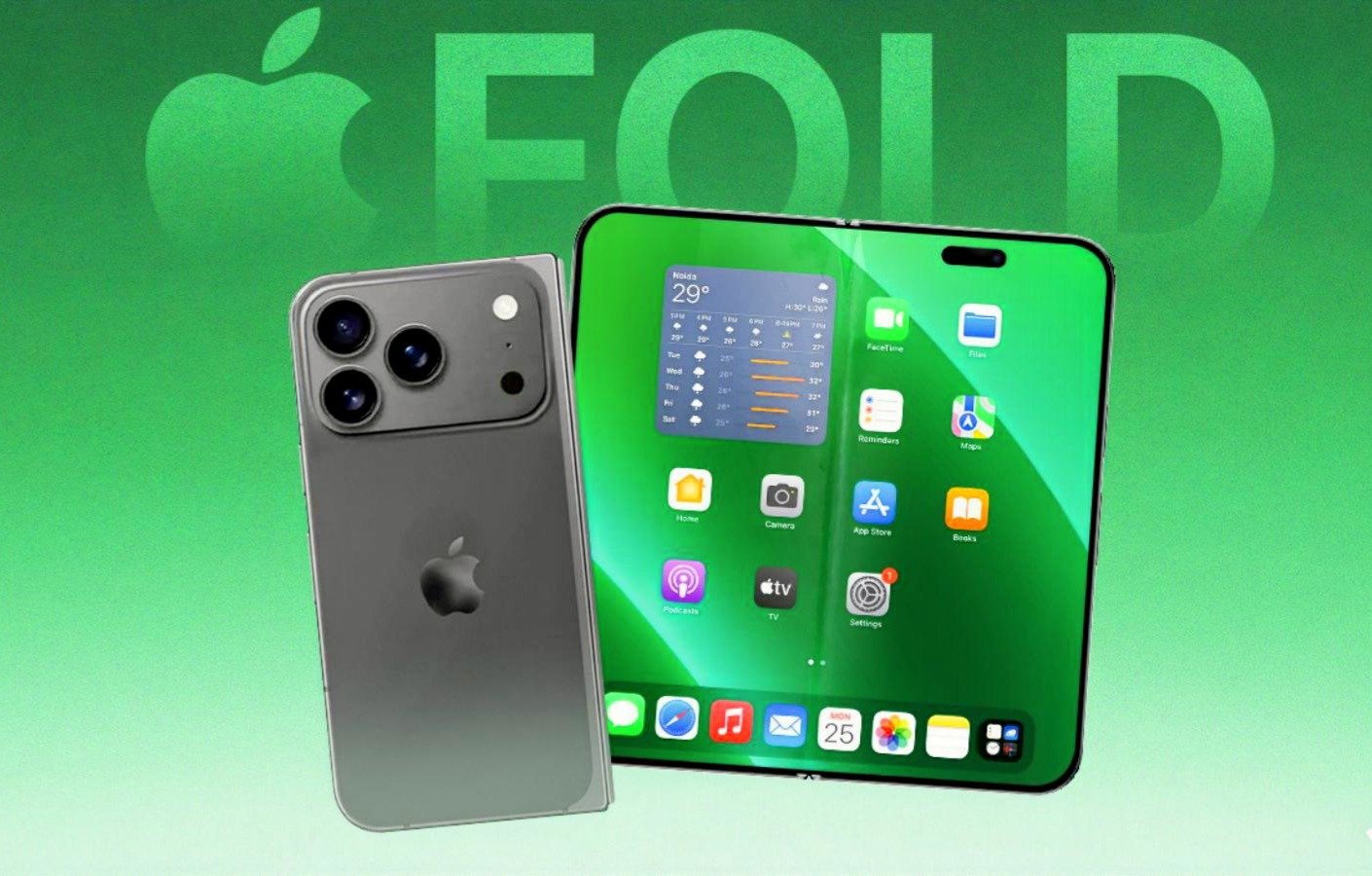
Apple has dominated the smartphone market for years, yet one major trend has remained missing from its lineup — foldable phones. While brands like Samsung, Huawei, and Google have already established themselves in this category, Apple appears to be taking a slower, more calculated approach. As leaks and analyst reports increase, the iphone fold release date is now expected to fall in 2026, making this one of the most anticipated Apple products ever. In this article, we break down everything currently known, including design expectations, specifications, pricing, and whether the wait will be worth it.
iPhone Fold Release Date: When Can We Expect It?
Apple has officially confirmed the existence of a foldable iPhone, but multiple industry analysts agree that the iphone fold release date is most likely set for late 2026. Apple traditionally launches major iPhone models during its September events, and insiders believe the foldable iPhone will follow the same timeline.
Current reports suggest that Apple is still refining display durability, hinge reliability, and software optimization. Because of this, mass production is expected to begin toward the end of 2026. If manufacturing challenges arise, limited availability or a slight delay into early 2027 remains possible. However, most signs point toward 2026 being the target year Apple is working toward.
Design & Build: What We Expect
The iPhone Fold is widely expected to feature a book-style foldable design, similar to the Galaxy Z Fold series, rather than a flip-style phone. This design allows the device to function as both a smartphone and a compact tablet.
Leaks suggest Apple is focusing heavily on premium materials and long-term durability. The hinge mechanism is rumored to use advanced metal alloys to reduce wear and tear, while the frame could be made from titanium for strength and lightness.

Expected design highlights include:
- Slim profile despite the foldable structure
- Strong hinge with minimal visible crease
- Premium glass and metal construction
- Side-mounted Touch ID instead of Face ID to save internal space
Apple’s goal appears to be delivering a foldable phone that feels refined rather than experimental.
Performance & Specs: What’s Under the Hood
When it comes to performance, Apple is unlikely to compromise. The iPhone Fold is expected to use a next-generation Apple Silicon chip, most likely from the A20 series, which should deliver flagship-level power and efficiency.
Expected Specifications:
- Processor: A20 or A20 Pro chipset
- RAM: 12GB or higher for smooth multitasking
- Storage: 256GB, 512GB, and 1TB options
- Display: OLED panels with ProMotion (up to 120Hz)
- Battery: Dual-cell battery system optimized for foldable use
- Operating System: iOS with foldable-specific multitasking features
Apple is also expected to optimize iOS to better handle split-screen apps, floating windows, and multitasking, making full use of the larger inner display.

Cameras: What to Expect
Camera performance has always been a strong point for Apple, and the iPhone Fold should be no different. While early reports suggest it may not feature a triple-camera system, Apple’s image processing could still deliver top-tier results.
Expected camera setup:
- Dual rear cameras (wide + ultra-wide)
- 48MP main sensor with improved low-light performance
- Front-facing camera optimized for both folded and unfolded modes
Apple is likely to rely heavily on computational photography rather than adding extra lenses, ensuring consistent quality without adding unnecessary bulk.
Price Expectations: Premium to the Max
Foldable phones are expensive, and Apple’s entry will likely sit at the top of the premium segment. Analysts expect the iPhone Fold to be priced significantly higher than current Pro Max models.

Estimated Pricing:
- United States: $2,000 – $2,500
- India: ₹1,90,000 – ₹2,20,000 (depending on taxes and configuration)
The high price reflects advanced display technology, complex manufacturing, and Apple’s premium positioning. This device is clearly aimed at enthusiasts, professionals, and early adopters rather than mass-market buyers.
How It Compares to Foldable Competitors
Samsung currently leads the foldable market, but Apple has advantages that could help it compete strongly from day one.
Key Apple advantages include:
- Long-term software updates
- Seamless ecosystem integration
- Optimized apps designed specifically for iOS foldables
- Strong resale value
While competitors may offer similar hardware, Apple’s focus on software stability and user experience could make the iPhone Fold more appealing to users who value polish over experimentation.

Final Thoughts: Why This Matters
The iphone fold release date represents more than just another smartphone launch — it signals Apple’s entry into a new era of mobile computing. Apple’s cautious approach suggests the company wants to solve common foldable issues before releasing its own version.
If Apple succeeds, the iPhone Fold could redefine premium smartphones by combining productivity, performance, and portability in a single device. While it won’t be for everyone due to its price, it could become the ultimate iPhone for power users
FAQ’s
When is the iPhone Fold release date expected?
Most reliable reports point to late 2026 as the likely launch window.
Will the iPhone Fold be expensive?
Yes, pricing is expected to start around $2,000, making it Apple’s most expensive phone yet.

What type of foldable design will Apple use?
A book-style foldable design with a large inner display.
Will the iPhone Fold support multitasking?
Yes, Apple is expected to introduce advanced multitasking features in iOS for foldable screens.
Is it worth waiting for the iPhone Fold?
If you want cutting-edge technology, premium design, and Apple’s ecosystem in a foldable form, it may be worth the wait.